Tides, Footprints, and Shared Discoveries Along Norfolk’s Edge
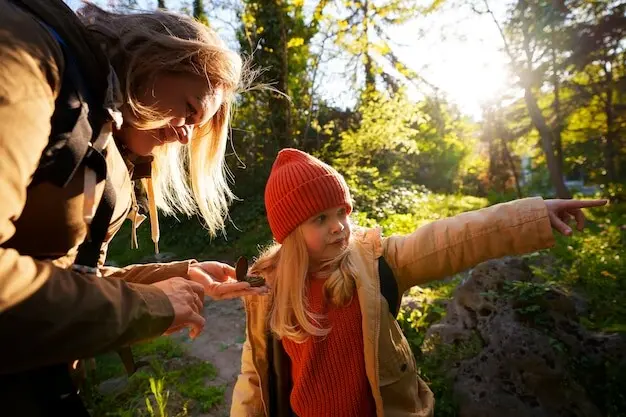
Welcome to a hands-on journey into Citizen Science Shoreline Surveys: Tracking Intertidal Life in Norfolk, where everyday observers help map the living puzzle between high and low tide. Together we notice patterns, count small wonders, and connect scattered moments into meaningful trends that support conservation, education, and community pride along this remarkable, ever-changing coast.

Where Land Meets Sea: Understanding the Intertidal Zone
From Chalk Reefs to Saltmarsh Ribbons

Cromer Shoal Chalk Beds host sponges, anemones, and kelp, while sweeping saltmarshes shelter worms, snails, and tiny fish hiding in labyrinthine creeks. By walking gently and pausing often, surveyors notice transitions—hard to soft, saline to brackish—where life clusters, competes, and thrives, turning modest field notes into richly layered habitat snapshots for future comparison.

Spring, Neap, and the Rhythm of Opportunity

Cromer Shoal Chalk Beds host sponges, anemones, and kelp, while sweeping saltmarshes shelter worms, snails, and tiny fish hiding in labyrinthine creeks. By walking gently and pausing often, surveyors notice transitions—hard to soft, saline to brackish—where life clusters, competes, and thrives, turning modest field notes into richly layered habitat snapshots for future comparison.

Weather Windows and Safe Footing

Cromer Shoal Chalk Beds host sponges, anemones, and kelp, while sweeping saltmarshes shelter worms, snails, and tiny fish hiding in labyrinthine creeks. By walking gently and pausing often, surveyors notice transitions—hard to soft, saline to brackish—where life clusters, competes, and thrives, turning modest field notes into richly layered habitat snapshots for future comparison.

Tools in a Bucket: Simple Methods That Power Big Insights
Quadrats That Tell Stories

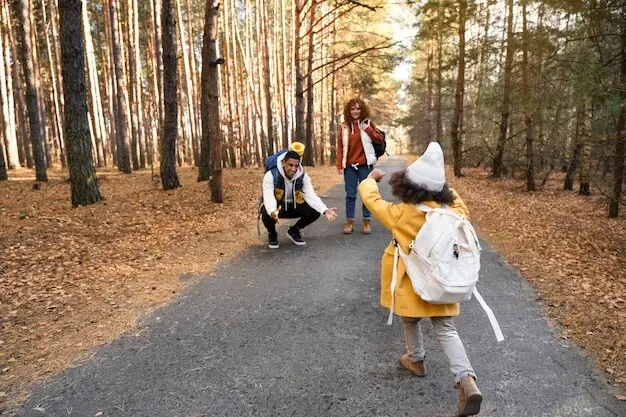
A square frame placed lightly on rock or sand turns a chaotic shore into a measurable snapshot. By noting percent cover, counts, and size classes, patterns emerge among barnacles, algae, and grazing snails. Revisit that same square through seasons, and a quiet narrative unfolds about growth, disturbance, recovery, and the tug-of-war between exposure and shelter.

Transects That Trace Change

Stretching a tape from the high-tide line to the low-tide fringe helps capture gradients that living communities follow. Recording presence and abundance at intervals builds a profile of shifting boundaries. With repetition, transects highlight creeping sea-level influences, storm-scoured scars, and colonization fronts, turning footsteps into a clear, comparable cross-section through space and time.

Photos, Notes, and Repeatability

Good photographs anchor identification and confirm scale, especially when a finger, coin, or ruler quietly enters the frame. Notes capture context—cloud cover, wind, time, and curious events. Together they build repeatability, empowering different people, months apart, to revisit the same stones and read consistent clues with confidence and caring attention.

Creatures Underfoot: Iconic Residents to Notice

The shore introduces unforgettable neighbors: beadlet anemones closing like purses, shore crabs skittering sideways, limpets wearing impeccable homing grooves, and bladderwrack swaying like gentle lantern strings. Recognizing common residents speeds up surveys, while rare finds spark learning moments. Every encounter deepens respect for adaptations refined by salt, sun, and an endlessly breathing horizon.

Limpets, Barnacles, and the Grip of Survival

Barnacles cement themselves for life, filtering passing food while braving brutal desiccation. Limpets carve snug home scars, sealing in moisture between tides. Watching these small engineers teaches surveyors to look for microtopography, faint tide marks, and grazing trails that map daily routines, reveal competitive borders, and hint at how microscopic larval rain shapes future patterns.

Crabs, Shrimps, and Hidden Highways

Under pebbles and within eelgrass lacework, crabs and shrimps patrol ancient routes. Gentle lifting and careful replacement of stones protect these passageways. Timed counts document size structures that shift with seasons, predator visits, and storm pulses. Recording even fleeting scurries contributes to broader knowledge about nursery functions and the resilience of bustling, miniature communities.

Seaweeds as Living Maps

Brown, green, and red seaweeds mark subtle zones like colorful contour lines. Fucus hugs mid-shore rocks, Ulva brightens pools, and dulse accents deeper ledges. Estimating coverage across heights translates to health indicators for light, nutrients, and grazing pressure. Over months, these botanical beacons whisper how changing waters redraw the shoreline’s living boundaries.

People-Powered Data, Real-World Impact

Volunteer records reach far beyond clipboards, informing reserve managers, local councils, and educators. In Norfolk, repeated observations complement efforts around Cromer Shoal Chalk Beds and coastal wildlife initiatives, supporting decisions on access, interpretation, and protection. When hundreds participate, small, careful notes accumulate into evidence that shapes resilient policy and inspires shared stewardship at every tide.

From Notebook to Policy Table

A tally of winkles, a photograph of mussel beds, a timestamped crab molt—none feel grand alone. Yet compiled, cleaned, and mapped, they highlight hot spots, gaps, and trends. Those patterns become briefing notes, community meetings, interpretive signage, and, sometimes, the persuasive bridge from local observations to durable, well-targeted coastal protections that endure.

Connecting Schools and Coastal Communities

Class trips and family outings turn surveys into playful lessons on tides, classification, and patient observation. Local stories enrich science, while data practice enriches classrooms. Students return home proudly explaining limpet scars, algae holdfasts, and safety rules. These early experiences seed lifelong curiosity, growing future caretakers who recognize the coast as shared, living heritage.

Consistency Beats Perfection

Citizen science shines when visits are regular, methods are simple, and notes are honest about uncertainties. A smudge of seaweed misidentified today can be corrected tomorrow, while a consistent route reveals change. Perfection matters less than presence, humility, and the collective momentum that careful routine builds over months and years.

Field Stories from Norfolk’s Shores

Memorable moments surface between waves: a sudden rainbow over Blakeney, the quiet clatter of shells in The Wash, or laughter when waders meet a sneaky channel. Sharing these vignettes strengthens teams, honors place, and reminds everyone that curiosity and care turn small surveys into treasured coastal rituals worth repeating.

A Child’s First Encounter with a Beadlet Anemone
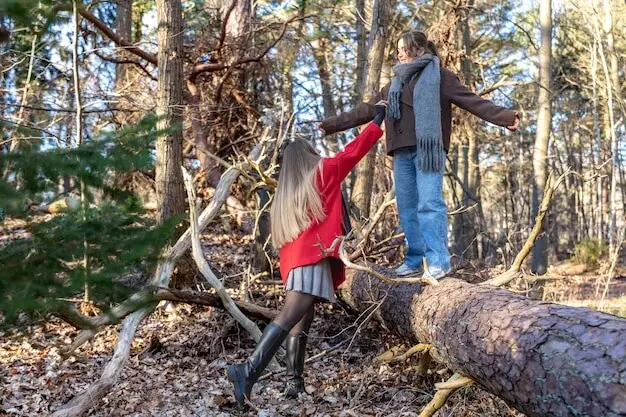
Kneeling beside a rock pool, a child offered a fingertip and watched tentacles gently fold, astonishment catching in their voice. Notes were slower that day, but richer. That shy spark of recognition—life meeting life—became the memory that drew the family back through seasons, building skill, patience, and wonder, one careful visit at a time.

Counting Winkles in a Winter Hush

Frost trimmed the marsh and breath hung like speech bubbles. Volunteers moved steadily, boots clicking on pebbles as gulls traced pale arcs overhead. The tally warmed cold hands: simple numbers quietly accumulating into clarity. Later, tea steamed above field sheets, every scribble a lighthouse guiding decisions through storms still over the horizon.

Join the Next Low Tide

{{SECTION_SUBTITLE}}
How to Prepare and What to Bring
Check tide tables, forecast, and daylight windows. Pack grippy boots, gloves, a small first-aid kit, snacks, water, and a pencil that writes wet. Add a quadrat if you have one, or simply your camera and curiosity. Safety first, slow steps always, and return times planned before the shore begins breathing in again.

Sharing Your Observations with the Community

Upload clear photos with location, date, and habitat notes to platforms recommended by local organizers, or report through Norfolk Wildlife Trust programs and partner projects. Tag revisits to build time-series value. Ask questions, celebrate small finds, and learn aloud, because transparent conversations transform scattered sightings into durable knowledge everyone can trust and use.
Tavosentopaloxariveltotari
Privacy Overview

This website uses cookies so that we can provide you with the best user experience possible. Cookie information is stored in your browser and performs functions such as recognising you when you return to our website and helping our team to understand which sections of the website you find most interesting and useful.