Midnight Tides and Celestial Skies of Norfolk

Follow the hush of the ebbing tide as we explore nocturnal beach ecology and stargazing along Norfolk’s shores, blending fieldcraft with skywatching. Discover how moonlight shapes coastal life, where darkness still gathers, and simple, careful habits make every night safer, richer, and more memorable.

Reading Tracks and Telltale Signs

Wind-scuffed sand records small dramas. Find comma-like amphipod skips near wrack, delicate bird stitches from sanderlings, and the neat plugs and casts of lugworms on firm flats. Fox and dog prints differ in nail marks and stride; photograph, compare, and leave everything exactly as found.

Tidal Foraging Rhythms

Low tide exposes banquets; high tide concentrates life at the edge. Watch curlews time their probing to softening sediments, and crabs emerge when waves mask movement. Note how wind direction, surf noise, and moonlight adjust caution levels, shifting when, where, and how animals dare to feed.

Respectful Watching Practices

Use a red headlamp, keep voices low, and give seals, waders, and roosting terns generous space. Stay below dune crests to avoid silhouettes, never shine light into eyes, and watch from the waterline, backing away if behavior changes. Your restraint protects fragile energy budgets.

Stargazing Over the North Sea

Few places rival the hush of Norfolk’s horizon when stars lift from the sea. Seek cloudless windows, let your eyes dark-adapt, and learn patient pacing. Once the Milky Way brushes the breakers, even modest binoculars reveal star clouds, clusters, and the quiet geometry guiding you between constellations.

Finding Darkness Near the Coast

Darkness gathers best away from promenade lights. Consider Holkham’s broad sands after hours, Winterton Dunes on marked paths, or Kelling Heath’s celebrated vistas inland yet near the coast. Shield your lamp, face the sea to block glow, and let distant surf noise calm attention.

Seasonal Sky Highlights

Spring highlights Lion, Maiden, and galaxies in Virgo; summer arcs the Milky Way and welcomes Perseids; autumn sharpens Andromeda and the Pleiades; winter lifts Orion over the water. Track bright planets along the ecliptic, and watch for rare auroral curtains after geomagnetic storms.

Star-Hopping Basics Without Gadgets

Start with the Plough to find Polaris, then walk a gentle line to Cassiopeia and sweep down toward Perseus. Use averted vision, breathe slowly, and trace triangles and arcs. Note bearings against landmarks so, even briefly, the sky becomes a mapped shoreline.

Tides, Moonlight, and Safe Night Walks

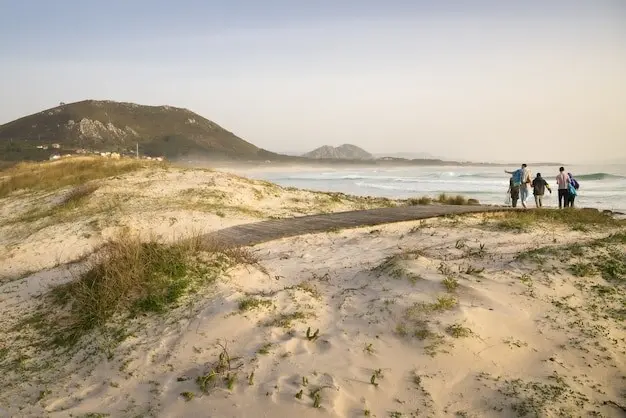
The shore can be forgiving by day and treacherous by night. Thoughtful planning keeps wonder intact: check tides and swell, pick known access points, tell someone your route, and move deliberately. Let the moon aid your eyes while you tread lightly across shifting sands and slick stones.

Stories from the Shingle: Locals Remember

Night draws out voices. Along Norfolk’s shingle, memories travel with the tide: patient counts of waders, first glimpses of Saturn’s rings above the pier, sudden seal eyes in moon paths. These stories teach humility, sharpen care, and invite your own quiet contributions.

Citizen Science and Community

Shared curiosity keeps coasts resilient. When night explorers contribute observations, organize litter picks, or join guided walks, knowledge multiplies and habitats benefit. Your notes can inform conservation, your presence can deter disturbance, and your invitation can welcome newcomers into gentle, responsible enjoyment of Norfolk’s night shoreline.
Photography After Dusk

Night images preserve what hurried eyes miss: the slow lace of foam, the glow of airglow, and constellations mirrored in pools. With gentle methods and ethical distance, you can create photographs that honor wildlife, respect darkness, and carry the shore’s quiet back home.
Tavosentopaloxariveltotari
Privacy Overview

This website uses cookies so that we can provide you with the best user experience possible. Cookie information is stored in your browser and performs functions such as recognising you when you return to our website and helping our team to understand which sections of the website you find most interesting and useful.